
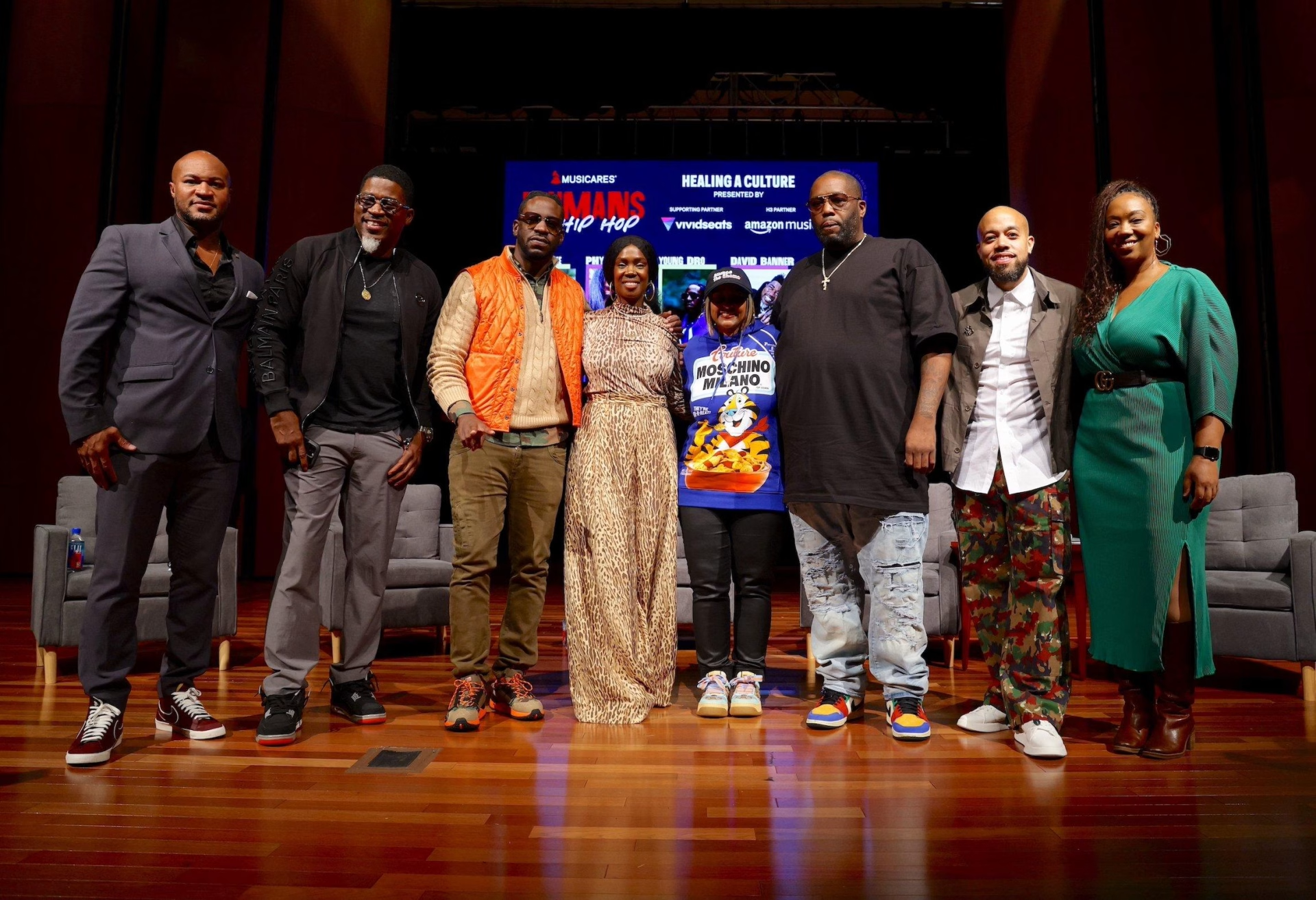
On Oct. 23, MusiCares' Humans of Hip Hop co-creation launches kicked-off in Atlanta with "Healing a Culture," a dialogue on how hip hop can tackle the stigma around mental health and address cultural imbalances in the community.
Four panelists spanning across the music industry opened up about their mental health struggles while also navigating through their artistry and careers. Creating a space for vulnerability and unabashed candor, attendees not only were able to see a new side to these well-respected figures within the music industry, but were also able to realize they are not alone in their own battles.
Moderated by Amazon Music executive Phylicia Fant, the Humans of Hip Hop panel featured the likes of Killer Mike, Young Dro, David Banner, and Shanti Das. The panel began with words from city councilman, Michael Bond, reflecting on his time at Morehouse College and sharing the story of a former peer tragically taking his own life.
Once each esteemed panelist was introduced, an open dialogue surrounding community, trauma and seeking help began.
All photos by Carol Lee Rose/Getty Images.
"Mental health is not a bad word." — Shanti Das
A major theme throughout the full panel was unpacking the stigmatization of mental health within the Black community. The first step of many of each panelist's journey was realizing there was no shame in struggling with mental health or letting other people know.
As the founder of the non-profit Silence the Shame, Das wanted to give others access to resources to get help and allow space for admittance in one's own pain. By sharing her own battles with suicidal thoughts and depression — and how it eventually led to her departure from the music industry — Das hopes to fully breakdown the barriers keeping people from seeking out better for themselves.
"Just because we are able to do things at a high level doesn't make it healthy." — David Banner
The often fast-paced and cutthroat environment of the music industry can breed burnout for creatives across the board. With the rapidly ever-evolving landscape of the industry, the pressure to keep performing at a high-level grows out of fears of being left behind. Banner emphasized the need to pace himself before being spread thin.
As he pointed out, being able to allocate time for oneself beyond the prospects of career acceleration is essential in sustainably growing a career that will last. This statement allowed Banner to admit to himself that the chase for achievement and success came out of the need for distraction. He detailed the time he was asked the question, "What are you running from?," which led him to sit in his emotions and unpack his truth.
"MusiCares is the only resource supporting the rehabilitation of hip-hop artists dealing with substance abuse." — Young Dro
Young Dro shared his testimony with MusiCares helping him through his battle with substance abuse. He discussed his rehabilitation process, detailing his new chapter of sobriety and the realization that he doesn't need substances to still keep creating art.
His testimony moved into a further dialogue of how often substance abuse is promoted within the music industry. Drugs and alcohol are not only always around in a lot of these spaces, but it is also encouraged by their peers and personas created within the music. This makes programs like the ones provided by MusiCares essential in an industry where substance abuse is such a common plight.
"Who are your friends, who are the people you know, what do they need, what do you need?" — Killer Mike
Killer Mike introduced the idea of being "hyper local," making a point of participating in local politics and community organization as well as also showing up for one's own personal community. He highlighted the importance of remaining grounded in a reliable support system and also being that same support system back.
Living in a hyper individualistic society can create self-imposed isolation that deprives both the individual and those around them that might need support. Killer Mike brings the ever popular ideal of being "one call away" to the foreground and expects that mindset back from his loved ones.
Laying the groundwork for greater conversations that for too long have been shied away from, these four panelists brought complete transparency to the stage to show what lies behind an often glamorized business.