
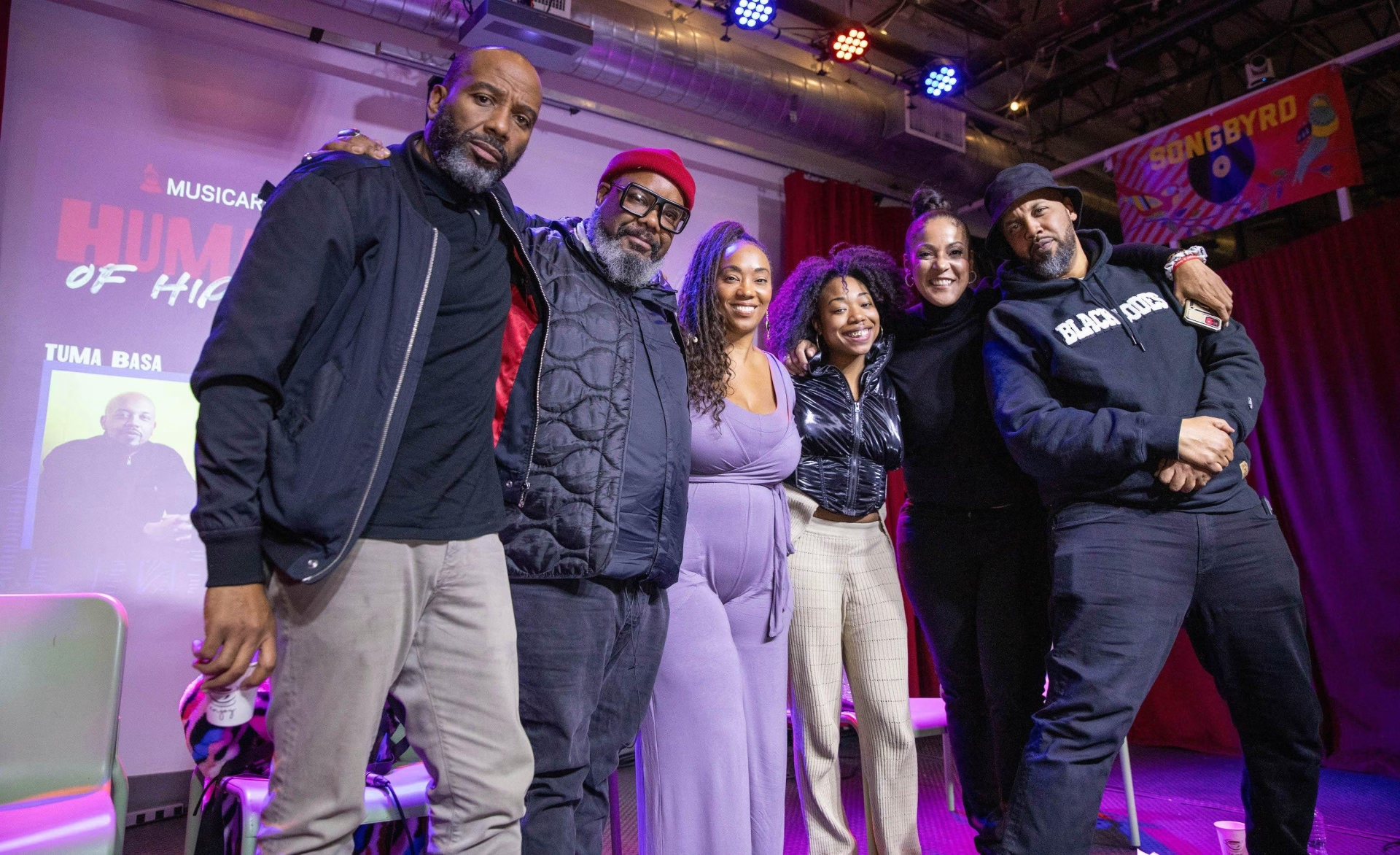
On Nov. 15, MusiCares hosted the second Humans of Hip Hop co-creation launch in Washington, D.C. with "A Pulse On Mental Health," a conversation on the impact of gun violence & trauma on the DMV hip-hop community.
Moderated by YouTube's Director of Black Music & Culture Tuma Basa, the panelists included hip-hop luminaries Deetranada, Kokayi, Steph Lova, and Joe Clair, all of whom hold roots throughout the entirety of the DMV area. Creating an open and honest dialogue, panelists and attendees alike discussed the necessity for a conversation on mental health.
Below, take a look at some of the most important and powerful takeaways from each of the panelists.
All photos by Brian Stukes/Getty Images for The Recording Academy.
"The hip-hop world has not taken advantage of the opportunities of MusiCares." — Tuma Basa
Tuma Basa is a cultural observer of media stigmatization on mental health. Working in the hip-hop community, he has been able to generate conversation around breaking this stigma. Now, he is bringing this conversation to the DMV.
"Teach the next generation, they are looking up to us. We can't talk about healing unless we talk about the issue at hand." — Deetranada
Focusing on the future, a central theme surrounding the conversation was an imperative need to destigmatize mental health amongst younger generations.
Born and raised in Baltimore, Deetranada's life has been continually affected by gun violence. At only 22 years old, she recognizes the importance of mental health care for not only her generation, but generations to come. There can be no conversation around healing unless mental health is addressed firsthand. Deetranada emphasized honesty and realness when talking about her struggles.
"I love people, and I love my people, and I don't want to see us continue down the same road we have been going down." — Kokayi
Kokayi is, "live and direct from D.C.," and believes in the power of conversation and honesty when it comes to facing mental health struggles head on. A renowned vocalist, Kokayi is a grammy nominated artist, producer, and educator. Using his platform, he has started a conversation around his personal experiences struggling with mental health. After his children were born, he noted a newfound need to really speak on mental health.
Being a parent, Kokayi emphasized the need for younger generations to advocate on behalf of their mental health struggles. There are unresolved feelings of hostility and grief in older generations, and those must be resolved to shift the mindset into the future.
"Too often the urban community, our community, has seen [mental health] as a weakness." — Steph Lova
Steph Lova has been affected gravely by gun violence, having lost her brother at the hand of it at only 27 years old. After the loss of her brother, she looked to therapy, but ultimately it wasn't her path. Instead, she opened the door for alternative ways to deal with her mental health struggles. She found guidance in speaking to her elders, meditation and alternative practices.
Lova emphasized her struggles with PTSD after the loss of her brother, and said she found peace in giving herself the needed time to truly heal, "Don't put a time limit on your grief." Through her work in media and radio, Lova is able to speak to younger generations about the importance of an open mental health dialogue. Being a mother, she finds that meeting people halfway is truly the first step in opening a powerful conversation.
"I don't mind seeking out therapy, I don't mind seeking out help, I will have a conversation with whoever if we are talking about mental health and I would love to share it with the brothers and sisters." — Joe Clair
Joe Clair — also known as "Joe Cleezy" — is a powerhouse radio and television personality born and raised out of Sea Pleasant, Maryland. Conversations surrounding mental health are nothing new to Clair, as his parents started sending him to therapy at 19. This is a decision that Clair ultimately says would be monumental to the direction of his future.
Clair spoke about the stigma around mental health in his community, advocating on behalf of consistent change and guidance to truly shift the mindset in the hip-hop community. Clair believes that music can reshape this stigma, a core belief of the MusiCares initiative.
5 Ways MusiCares Supports Mental Health And Wellness Year-Round